
Season 6, Episode 271
From Manuscript to Market: Navigating the Book Publishing Journey with Terry Whalin
A conversation with Terry Whalin

About This Episode
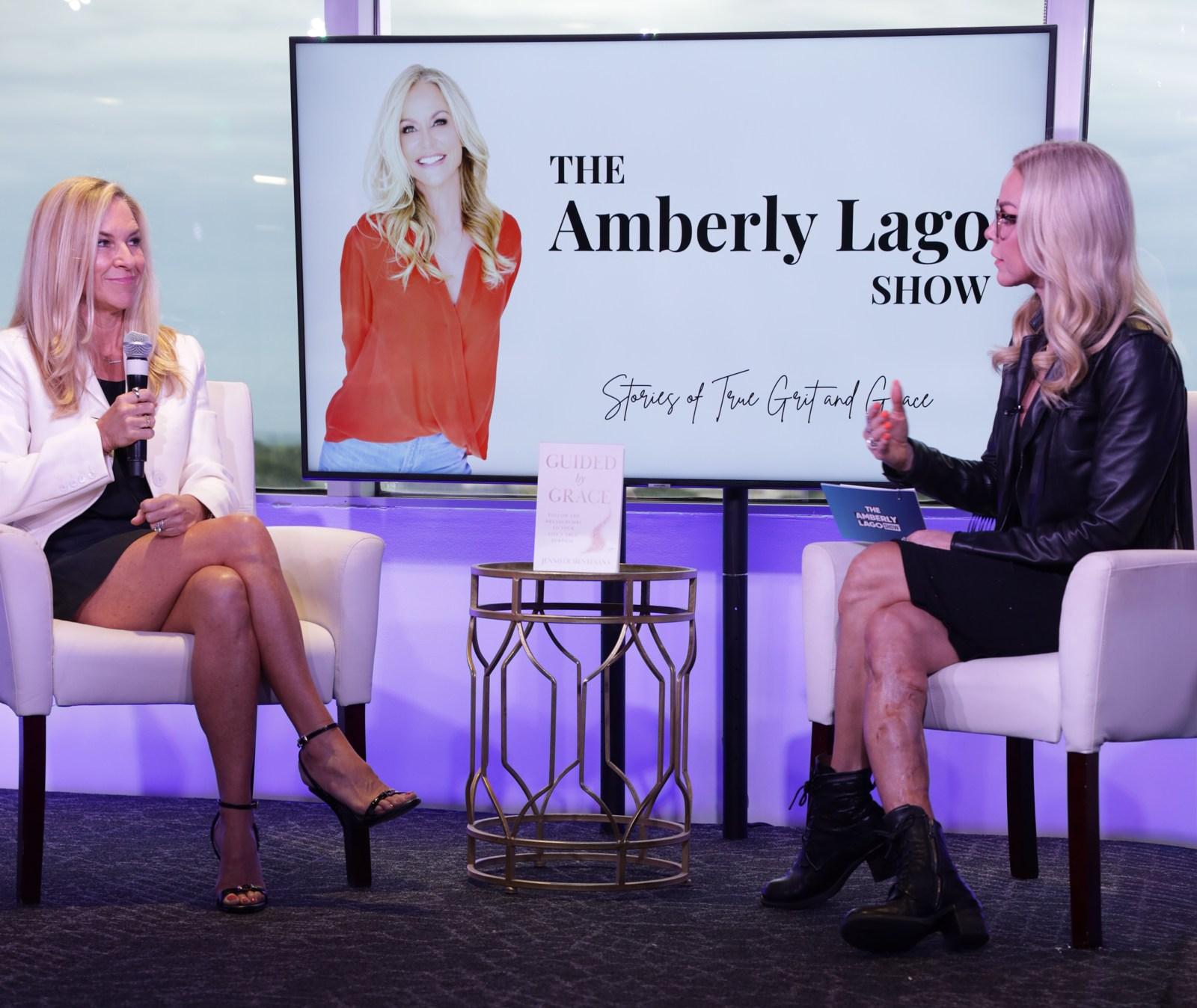
I’m thrilled to bring you the latest episode of The Amberly Lago Show, where I had the incredible opportunity to sit down with my friend and expert editor, Terry Whalin. If you’ve ever dreamed of writing a book or have a story to share, this episode is packed with wisdom, motivation, and actionable tips to help you make that dream a reality!
Here are three powerful takeaways that will inspire and empower you on your writing journey:
Take 100% Responsibility for Your Success
Terry shared a game-changing realization from his career. Authors must take charge of promoting their own books! Writing a book is just the first step. If you want it to reach the right audience, you have to put in the effort to market and promote it. This resonated with me deeply because I know firsthand how important it is to build a platform and connect with readers. Your book deserves to be seen, and you have the power to make that happen!
The Power of Pre-Sales and Reviews
We had an eye-opening conversation about how pre-sales can influence bookstores to carry your book. Terry explained that securing 300 pre-sales can make a big impact and grab the attention of national retailers like Barnes & Noble. And let’s talk about reviews. Did you know that 98% of people read reviews before making a purchase? Asking your readers to leave reviews can significantly boost your book’s credibility and sales. If you want your book to stand out, this strategy is a must!
Writing is a Skill That Can Be Developed
One of my favorite takeaways from our conversation was Terry’s belief that great writers are made, not just born. He encouraged aspiring authors to start small- write articles, share your thoughts on social media, and practice as much as possible. Every great author started somewhere, and honing your skills over time is key. If you’ve ever doubted your ability to write, this episode will change your perspective and give you the confidence to start!
I hope this episode fires you up and gives you the push you need to move forward on your writing journey. Tune in to the full conversation for even more valuable insights from Terry Whalin!
Follow Terry
- LinkedIn: linkedin.com/in/terrywhalin
- Get your copy of Terry’s 10 Publishing Myths: https://publishingoffer.com
- As a bonus, get the free 11th Myth: https://terrylinks.com/11thmyth
Thank you for joining us on The Amberly Lago Show: Stories of True Grit and Grace! If you find value in today's episode, don't forget to share the show with your friends and tap that subscribe button so you don't miss an episode! If you are ready to leave your mark by discovering your message and sharing it with the world, you've come to the right place!! Let's work together to build your influence, your impact, and your income! Join the tribe you have been waiting for to activate your highest potential and live the life you deserve!
Get your copy of my book, "Joy Through the Journey" on Amazon with one click here: amazon.com
Order here and get your FREE bonuses: go.amberlylago.com/joy
Join the Joy Sparkers book club here: go.amberlylago.com/book-club
Join the "The Unstoppable Mastermind" to start growing your personal brand and business: go.amberlylago.com
Head over to my website to join my newsletter and access free downloadable resources that can help you elevate your life, business, and relationships: amberlylago.com
Connect with me on Instagram: @amberlylagomotivation
Join the discussion on Facebook: @amberlylagospeaker
Full Transcript
Welcome to the Amberly Lago Show. Stories of true grit and grace. Hey there. Thank you so much for tuning in to the Amberly Lago Show. I have such a treat for y' all today, especially if you have a story to share, a message to share, if you have a dream of writing a book. I have an expert with us today. My friend Terry Whan is with us, who I've known for, I think about seven years now, and he's an editor. He's the author, y'.
All.
The author of more than 60 books, and he's written for more than 50 magazines, and several of his books have sold over a hundred thousand copies. I am so grateful to be here. I don't know if I would have even had my first book book published if it weren't for this amazing man. So, Terry, thank you so much for being here.
Amberly, wonderful to be here with you. I just really appreciate this opportunity.
Oh, well, you know what, can I. I just have to tell the story. Do you know I talk about you all the time in podcast interviews. I'm not kidding. People ask me about my book or they'll ask me about how I got it published, that sort of thing. And I am curious if you even remember this, but I. I really remember it. I was asked by a friend to go to a conference, and it was called author 101. And it. She's like, I got the tickets for $200 and come with me and it'll be a hundred dollars. And my first thought was, well, how great of a conference can this be for only $100? But I had started my manuscript and I was like, okay, I'm going to go with you. And so I walk into the hotel and I see you running towards the elevator, and I hold the door open for you and you're like, oh, thank you. And we started talking. And later on, I go up to the conference room and lo and behold, there you are behind a booth. And I was like, oh, my goodness, this man's important. Like, oh, you know, we started talking and then we had like, I thought it was almost like speed dating or something for authors. It was like you had two minutes or something to sit in front of literary agents, publishers, editor, editors, stuff like that. And I was exhausted. It was like a. A 12 hour conference or something. It was long. I hadn't eaten anything. And you were the last person that I actually sat in front of. And. And I sat in front of you and you said to me, well, did you bring me something that you've Written. And I had written, I had made copies of part of my manuscript to hopefully maybe hand it out. And I said, no. I said, and you said, well, why not? And I said, I think I started crying. I don't know if you remember this. I started crying. I said, I'm scared. And you said, well, don't be scared. And you reached into your briefcase and you pulled out your book. Book proposals that sell. You said, read this. And you gave me your business card. And I was just like, oh, my goodness, thank you so much. And I gave you my information. And I think I said something like, if you're ever. Well, if you're ever in town, you know, let me know. I'd love to have you and your family over for dinner. And a week later, my phone rings and it was a New York. It was like a New York area code. And I was like, oh, well, this must be important. I answered the phone, it was you. And I said, oh, are you in town? Do you want to have dinner? And you're like, no, I want your book proposal. And I was like, oh. And you were so kind. And you said, just send me what you have. And I did. And the rest is history. True Grit and Grace came out right behind me. You remember that book?
I remember it, yeah, I remember. Well.
And so I had to tell you that story. Do you remember any of that? I mean, you had a big influence. You had a big impact on me.
I meet a lot of people, but yeah, I do. I do remember meeting you, an author 101 and our interaction and everything. It was, it was great.
Oh, well, I am just. Throughout the years, you have always been so supportive. You've always emailed me. Even now with this book coming out, you wrote an email giving me some tips on just, you know, getting it out there. And so I really want to get that information to all those people out there who are thinking about writing a book, because 81% of people want to write a book and actually 1% actually end up writing a book. And it can be a scary process. It can be a stressful process. You can get, you know, full of self doubt and self fears and so. Or fear. And so I, I want to talk about like, you know, how what was your wake up moment? You say you had a wake up moment as an author can tell us a little bit about what happened.
Yeah, I was, I was a litter agent in, in Arizona. I had a little litter agency. And Mark, Mark Victor Hansen, the co author on Chicken Soup for the Soul, invited me to come to his mega book marketing university he was having out in Los Angeles. And so I went out there as a literary agent, took pitches from people during the conference, but I also sat there with everybody else. There were about 400 people at this event and listened to all the speakers. Now at that point in my life, Amberly, I'd written about 50 books for traditional publishers. I'd gotten advances. Two of my books got six figure advances. They're making pretty books, putting them in the bookstores, all that kind of thing. But publishers send a royalty statement about how your book is doing to you once or maybe quarterly. And so I was getting my royalty statements and they were all in the negative category because my books weren't selling, they weren't earning. And about halfway through that conference, it's almost like I woke up as an author because I realized how little I was doing myself in order to promote my own books.
Wow.
I mean, I had a terrywhalen.com website, but that was about it. I wasn't doing anything to really tell people about my books. And one of the speakers at this event was the other co author on the Chicken Soup for the Soul books, Jack Canfield. And Jack has a book that I have on my shelf here called the Success Principles where he studied about what it takes to be successful. And the very first success principle says that I will take 100% responsibility, responsibility for my own success. Now, none of us want to take 100 responsibility. We want somebody else to do it. We want our publisher, our publicist, our marketing person, our editor, somebody other than us. But I decided during that event that I was going to change and I was going to take 100% responsibility for my own success. So you know, I started blogging. Back then, blogs were new and you know, now they say there's over 600 million blogs. But about a year ago I found an article with my name on it of the top 27 content producers.
Because you have like 1700 entries for your blog or something.
I do. I have like 1700 entries in my blog. I blog every week and, and people read it out there. And so you know that that's just one of the ways that I decided to be active out there and consistent. You know, I joined social media. I ignored that stuff for a long time. But you know, I have, I have over 175,000 followers on X Twitter, 19,400 connections on LinkedIn. All those kinds of things I'm doing to, to consistently reach people with my books, that kind of thing.
Well, that's so important. That you say this and I. I say this all the time. That, you know, when I. It's one thing to write your book. That's a whole process. I mean, it took me two years to write my first book. But then that's just the beginning. Like, the next part is the marketing of the book. And I remember when I got that, when I was told, oh, yeah, we're gonna publish your book. I was told, well, we don't do any marketing or, you know, for you, or branding or anything like that for you. If you want your book to get out in the hands of people and for people to read it, that's up to you. And that's when I actually got on social media, because I didn't have any social media. I barely had a wet. I barely had a website. I think it was still maybe even my fitness website. And that's when I started to take things seriously. And I did not know how to work Instagram. I mean, I basically. I had an account, but was. It was basically to stalk my oldest daughter and see what she was up to. But then I got serious about, like, I'm going to start sharing my message. And I, back then was like, I. My goal was to get 10,000 followers in a year by the time my book was out. Because that was back when if you had 10,000 followers on Instagram, you could do a swipe up. Now you can just do a swipe up. But I did. I got 10,000 followers. And the reason I say, you know, there's so many people. Actually, one of my clients that I was coaching this morning was like, this whole social media thing is. Is, you know, it's so uncomfortable for me. I'm like, I get it. It was for me, too. But I knew if I wanted to get that, you know, my book in the hands of people, I was going to have to figure it out. Had another client a few days ago say that, oh, I just get so frustrated with social media. I just don't. I said, you know, what I look at is, it is part of my business. It is really part of my business. And because I started to build my social media up at every single book signing across the country, I sold out of books. And I'm not saying that to give myself a pat on the back. I'm saying that because I made meaningful connections through social media. So when every city I went into, I was like, hey, I'm at Books and Books in Florida. I don't know anybody here in Miami, like, or, you know, it, Please come give Me a hug. Don't leave me hanging. I don't want to be alone. I didn't say, come buy my book. I was just like, I genuinely, genuinely wanted people to come and hang out with me. And guess what? They did. And so. But I will also say, Terry, this has been a whole different experience with this book because my new book, Joy through the Journey, because I have a whole like pre sell kind of launch thing going on. I'm still figuring it out as I go along, but this time around, I didn't even know about pre sales for my first book. I had no idea, didn't know. I didn't even know when it came out on Amazon. I was like, I had a friend say, hey, your book's on Amazon. I'm like, it is. But with, with this time around, like I have a website just for my book and I've got, if you buy one book for pre order, then you get, you know, a free companion book. Like all these different bonuses, which I didn't know all of that. I didn't know to gift my book to people as it came out. I didn't know about pre sales, didn't know any of that. And so I definitely want to get into those things.
Pre sales are really, pre sales are really important, you know, and we've, we've learned, for example, that from the national buyer, Barnes and Nobles, that if you can get 300 pre sales on your book, then that's the tipping point so that they, national accounts notice it and then they put your book into every bookstore, every Barnes and Nobles in the country is what happens when that. But you've got, you've got to, you know, push people to go over to barnesandnobles.com and pre order your book. And it sounds like you're doing great at that. It's an important, important part of the process. And we also, you know, try to teach our authors not to use the word Amazon. It's, I mean, a lot of retailers believe that, you know, Amazon's destroyed their business, right or wrong. They're big customer. But by the same token, you don't want to get blackballed or, you know, cut out of going to bookstores because you use the word, overused the word Amazon. So we try to teach people not to say that they had an Amazon bestseller, they just had a bestseller, you know, or not to say they, they had a five star Amazon review, they just had a five star review, you know.
Yeah.
So cut that word out of what you're saying. And then it'll help you all the way around on that area.
Well, I have a question for you. So for instance, for Barnes and Noble, you said 300 book sales. So I'm speaking at quite a few event in the new year, like a lot. And several of them are ordering. Like one event is ordering 400 books. Another event is ordering 300. Another event is ordering 300 and ordering from different places. Like there's all different places. Like there's bam. There's porch light, there's. But I'm also ordering from Barnes and Noble. But does ordering a big bulk order of 300 books from Barnes and Noble, does that raise a flag up that, oh, this is not right.
That's a good question. I'm not, I'm not sure I know the answer to that, Amberly, but it's those individual orders from Barnes and nobles.com that, that really tip the, tip the scale for them? I think so.
Oh, yeah. And that's why I've been really trying to promote Barnes and Noble. So everybody listening, please go buy my new book at Barnes and Noble. Help a gal out. Help a gal out. I've been over here working hard on this, Terry. I was getting up because it, it was a lot different with this book because I had deadlines and if I didn't make those deadlines, then I wasn't going to get the rest of my advance or I wasn't going to get my book published in time. So I have a lot of people that go, oh, well, I just don't have time to write a book. I'm like, you make time to do it. So I was getting up at 4 o' clock in the morning to write. And then on Saturdays, while my family slept, is my most productive time is when they're sleeping because there's no interruptions. And I would write for like six hours straight while they were sleeping. And, and so make the time to do it. It is a lot of work, but it is absolutely work worth it. I want to know before we get into more of that, because I have some there. I'm sorry, y'. All. It's kind of selfish, selfish questions that I need to know about my book that's coming out. So I'm always curious, I always have to ask. But for those that are, they want to write a book, where should they start? Can you give some? Like there are listeners that are going, well, I do want to write a book, but I'm scared or I don't know how or I don't know where to begin. Where should they Start.
Well, I always think the first place to start, whether you're writing a children's book or a novel or a nonfiction book, is with that book that I gave you that book proposal. Because that is essentially your business plan. I mean, even if you self publish, you want to write a book proposal so people can go to. I've got a revised edition of that book. I think since, since I gave that one to you. I think you have the brown, the brown cover one. This one's.
Well, I did, I gave it away. I need to order another one because they never gave it back to me.
Yeah, that's what happens when you do it. But people can get a free copy of the ebook from me if they go to Book proposals, plural Book proposals WS for website. And that opens up a, a page where they can just push a button and get a, get a free ebook version of the book from me.
So that is amazing. Thank you so much. We will definitely have that in the show notes. So if you're driving or out for a run and you didn't have a chance to write that down, it will be in the show notes and you can find that so you can get that free ebook. I highly, highly recommend it. I had it, I read it, I gave it away. I've told people about it. Like I said, I didn't get my copy back. Maybe I'll just go to the get, make sure get the free E book.
You know why, you know why we give away that free ebook? We do that because we've learned through the years that if, if somebody gets that E book and starts to read that free E book, there is a high probability that they're going to turn and buy the print copy of the book. And so we've learned that we lose nothing by giving away that free ebook. And then ultimately it drives print book sales. That giving away that free ebook, it's not really, it's almost counterintuitive. It's not really what you'd think. But everybody thought when ebooks came out they were going to overtake the print books.
But not for me.
No, over overall. I mean I've even heard the, the chief executive officer at Marcus Duhay step down from Penguin Random House. But he said that it was worldwide, it's 85% print, 15 digital. So it's not like our print books are ever going to disappear out there. We don't have to worry about that.
Yeah, I mean I, I, well I, my preference is to have the printed the book in print, but to have the Audible version as well. And do you know, this time around, for my new book, I had to actually audition to be the, you know, the narrator. Narrator for my new book. I'm like, they're like, yeah, could you send us some samples in? And I was like, well, I did my whole first book, and I have a podcast. And they're like, no, we need you to read your book. And I'm like, not the whole book. But I was like, okay. And I'm like, I really, really want to do the audible version of this because a lot of people have reached out to me for True Grit and Grace and said that I listened to your audible book and it sounded like you were talking to me. And so I wanted it to be. To be that way. But I'm so glad that you brought up how you give this away and it leads people to buy your book. So all you authors out there listening, did you hear them say that? I don't think that just goes for authors. I think that goes with anything that you're doing, whether you're a coach or a speaker or have a mastermind or whatever you're doing. I always say, give it away, give it away. Don't hold back. I had worked with somebody who was like, well, just give them a little taste of the equation that you use to get through this obstacle. And I'm like, no, I'm going to give them the whole equation. Like, I want to give them the whole formula, the whole everything. Because if I give them everything, then they're going to go, oh, she gave us so much. I want. I want even more, you know, so I'm glad. I'm so glad you brought that up. So they can start by reading that book. There's. That's their business plan. And then what. How would you encourage them to go out? Well, first of all, before they think about going out and getting a publisher, this is the question I get a lot. Should I do self publishing, hybrid publishing, or traditional publishing? Can you explain the difference? I like to explain the difference, but you're the pro here. Explain the difference and then what you think is best.
Yeah, those are basically the three options. You know, traditional publishing is. Is a way to go. It's. It's harder to get published over on the traditional side. They. Traditional contracts in general control everything. The. So what you're covered, the title, all those kinds of things are. Are controlled through that. Through that process. The other option, not the other extreme, is the self publishing, where you do everything, you control everything, but then you also have all the responsibility to try to get the book out there into the broadest possible way. So it's, it's hard, it really is hard to, to self publish successfully. I think the middle ground there is really what we call independent publishing. And you want to take a careful look at that, at that middle ground, that independent publisher. Who are they? What kind of track record do they have? Are they going to do what they say they're going to do? I mean, some of these, some of these people that are in that category, Amberly, to be honest, you know, they say they're going to do this, but you know, when you talk to their officers, find out they don't, they don't really do it.
So I get it. Yeah, I have heard so often that that happens, like more than I've had people that have told me that they have gone with the middle person and it hasn't worked out. And so, yeah, that's. I really want to highlight what you just said, that it's so, so important that even when you get a contract and you, whether you're doing traditional or, you know, independent publishing or hybrid is what I call it, to have a literary lawyer look over that contract, because you need somebody to look over the contract with a fine tooth comb that really knows what they're doing. And also check resources, check to make sure, like, go other authors and say, what was your experience with working with this publisher? And I know for me, with Wiley Publishing, I had a sticky note on my computer for two years for a book idea. And my dream was to be able to work with Wiley because my favorite author, John Gordon, has published all 30 of his books with Wiley. He's on book number 31 or 32 now, I don't know. Also Renee Rodriguez, Ben Newman, some of my really good, good friends have published their books with Wiley. And so when they emailed me, I was like, holy moly. I pitched them the idea and they said, yeah, and I want to go back to what you said about traditional publishing being hard. So this is the difference with traditional publishing versus self versus like being the middle kind of publishing. With a traditional publishing, I still had to write in a proposal and Terry, I had to give so much information. And it was like, if you have to have, with a traditional publisher, you do have to have a social media following most of the time, maybe unless you're somebody famous, but somebody famous probably already does have a huge social media following or presence. They asked me how many events that I had spoken at in a year, how, how many attendees at each event and what was, you know, the demographic of those attendees and how many events that I was going to be speaking at in the future, and what was my email list like? They wanted to know numbers. And the reason being is they want to know that you're going to be out there selling books for them. It's a collaboration. It's a, It's a teamwork thing, or it should be. It should, you know, so I want, I, I share that because I want you to know that if you're going the traditional route, to start working on your social media now and take it seriously and treat it like a business, because it absolutely is a business. And also share that it is teamwork. It's not that your publisher is going to make your book a bestseller. It's like, you got to get out there and hustle and advertise your book and talk about it, and I need. I, I got to be doing that more. My book's coming out in February, which is right around the corner.
Well, they can. The, those, those publishers can get the book in the bookstore. But, but what I learned really, when I was at Mega Book Marketing University in 2007, that it's. It's the author's activity that really moves that book out of the bookstore and into somebody's. Somebody's hands where they buy it. Because, I mean, what a lot of people that are in the book business sample, they don't understand is that all the books that are there inside your local bookstore are 100% returnable for the lifetime of the book.
Yeah.
So that's a, A crazy practice that's been going on since the Great Depression in this country. But basically, when you go in your local Barnes and Nobles and see all these hardcover books that are in the bargain section of the bookstore, the true story on those books is they're getting ready to be boxed up and returned to their publisher. Oh, they destroy these books. They don't put them out on the used market. I understand Simon Schuster even has a machine that blows them up and makes confetti out of them. So it's a real bad deal. And, but the way you keep your book out there is just by. By doing these kind of podcasts like this and then telling your publisher that you're doing these kinds of promotion things because they can feed that information back to the bookstores and say, hey, don't. Don't return Amberly's book because she's an active author. You ought to keep that book out there in your stores. So those kinds of activities are really important for authors to, to be doing that. And let, just let your publisher know. You may be marketing the dayl out of your book, but if you're not telling us, we can't feed that information back to the bookstores.
Wow, that is such a great tip. Such a great tip. Yeah. And I have heard of or. Okay, give me. I see this on Amazon actually where it's like used book for sale. With my first book, it's like a used copy or something. And then also I had someone, and in my, my editor actually is the one who was keeping an eye on Amazon stuff for me for a while for my first book because I was really clueless about what to do and he was like, somebody has like they, I guess had, were selling copies of it that they had printed, not legally or something. Have you ever heard of that?
Yeah, there are pirated kinds of things out there, but I don't, I don't think that's a, a huge issue. But it is, it is. Sometimes you have to, you have to just kind of be aware as much as anything but you know, Amazon's the big, the big gorilla out there. You can't really do anything about what, what they're doing per se. You have to just kind of say, well, it's Amazon, you know, but exactly.
And actually at one time when I, when I wrote my first book, I had my editor say, hey, did you know that you have coffee mugs, T shirts and this and that out there? Somebody was printing up coffee mugs, T shirts and everything with my image, my book cover. And I was like, oh wow, that's great. Too bad that's not me, you know, that's not me doing that. So which, which one do you think in your opinion is best? Do you think it's, do you think it's the middle? I, I also think it's a lot of where somebody is on their journey,
like how far I think it is where you are in your journey. There's no right or wrong way. I mean some people decide they want all that control so they do. The self publishing route, I mean, you know, traditional is great, but I've had, I've had bad experiences over on the traditional side of things too. I mean I had a, I had a book a number of years ago that got us, got a six figure advance from the publisher. They didn't bother to show me nor my co author the COVID of the book before it was published. The author didn't like that cover. It had his picture on it actually. So he did nothing to promote the book. So after six months, they took that book out of print, which means they destroyed it. I mean, I have some copies in my garage, but I think I'm one of the few people in the country that have any copies of that book. So each of these, each of these different things have pluses and minuses. And you as an author just need to be aware of that and, you know, talk to people. Use Google, you know, put the, put the name in there along with complaints or scam and, you know, see what comes up. I mean, I've met some people on the self publishing side, Amberly, that have spent, you know, $20,000 with these self publishing companies. And I mean, there's no way their book's gonna earn back $20,000. They've just, they've wasted a lot of, a lot of money and energy on that process just because they didn't check it out ahead of time.
Yeah, and I'm glad you brought up the money side because I had really great feedback from my first book. And then I had one person reach out to me and I guess was a hater or a troll and said, and actually I guess a hater because he said, I hate people like you that make, make money off selling your story. And I was like, first of all, I'm not making any money like a lot of people. I just want to say thank you. Make a lot of money off of a book. I think unless you're, you know, Brene Brown or, I, I don't know, Tony Robbins, maybe then you can make a lot of money. I did not make any money off my first book. In fact, I think I was in the hole with it. I mean, I'm, I, I still get some now that I, I did self, I did the second edition and did it self publishing. I am starting to get some, you know, residual income from that. But a lot of people think, oh, I just had a client of mine actually reach out to me and she said, I had a friend that said she made $500,000 on her book. And I, she goes, so is that possible? Because this client wants to write a book? And I said, that's very rare to make $500,000 on your first book, I think. I don't know. Am I wrong?
No, you're right. You're right. The, the money is, the money is not from the royalties that people think about. The, the money is really in the. Well, it's a couple of things. It's the, it's the authority that your book gives you to be able to be an expert in your category and then, you know, speaking, podcasting, all the extra things that come from, from the book are one of the ways that happen. I mean, one of, one of my friends that passed last year was, was Dan Miller, for example. He was a New York Times bestseller that, but he was talking, in the event that I was at about he just done his taxes. So he's just talking about his, his income from his royalties and they were like, his royalties were like 2% of his. Of his income and he was a New York Times bestseller. So.
Wow.
So he's, he was making his money from, from other things. From like, well, like you said, from like mastermind groups and, and you know, other, other things that you're doing because. Coaching, coaching all those things because your book gives you the authority and the expertise to, to draw people to yourself.
Yeah, I, I think a book is a very expensive business card. It's a door opener and it will, it, it has opened doors for me. I never would have been on the Today show had I not written a book and hired a, you know, pub, a publicist for it because she was amazing. Having the right publicist is very, very important. I could talk.
It's very, it is very important. I mean, I, I worked with an author a number of years ago that wrote this book called the Garbage Man's Guide to Life. And it was, it's a great book and great cover, all that kind of thing. And his co author and him, they put, they put $30,000 into the marketing. Well, the problem was that they hired a company, a publicity company that we'd never heard of. And you know, we've been in the book business for over 20 years. So you think if it's somebody reputable, we would have heard of these people. And unfortunately, this book didn't even move the needle. Didn't, didn't sell. Because sure, this company may be great about putting you on tv, but are they great about putting you in the right TV place to really sell books? At the end of the day, there's a lot of those details that are very important and you're, you're making decisions about where you're going to spend money and what you're going to do and you just need to be wise and, and careful about all those things.
Yeah. Because in my experience, everybody has their hand up out saying, hey, just give me this much money and I'll help you. I have had some not so great experiences and so, yes, be very wise, be very careful, ask a Lot of questions. Do your homework. I don't want to see anybody make some of the same mistakes that I've made, for sure. And you have your book 10 Publishing Myths. And I want to ask you about Myth 7. Good writers are born, not made. Can you talk about that a little bit?
Yeah. You know, there's, there's this weird combination between having some storytelling ability and talent and then, then learning the, the craft of writing and telling, telling it. So I, I think good writers are really, it's sort of a combination of that they're really made as much as they're born, in a sense. And so one of the best ways for people to learn that whole writing skill is really in the magazine area of the market. I mean, you, like you mentioned, I've written for more than 50 magazines. I've been a magazine editor. And writing a magazine article, you're going to reach, you know, it's very easy with a magazine article to reach 100,000, 200,000, half a million people. Where with a book, if you sell 5,000 copies of your book, that's a good number if you've sold 5,000 copies. So what I encourage people to do is to write for magazines because you can learn the craft of writing. You learn how to tell a story, have a good headline, how to have a beginning, a middle and end, how to have what we call a takeaway, like a single point for the reader. You can do all that in, you know, 12 to 1500 words rather than working with a 50,000 or a hundred thousand word piece. So do that, learn, do that practicing with the smaller piece. Learn your skill, get published out there. Because those of us that are in publishing, we're looking for people that have been published. And so that credit is a good thing for you. And at the bottom of your article you can say, you know, Amberly Lago, author of such and such at this website, and you can drive people to your, to your website just, just with those magazine articles.
Oh, that's such great advice. And, and yeah, and then also the more articles that you can write and it not only gives you that practice, but it sets you up as the expert in your field for writing those. I mean, when I was in the fitness industry, I regularly contributed to Shape magazine and Fit Pregnancy. I loved it. And so it does give you that credibility piece. And if you're like, oh, I don't know about writing for a magazine, I start writing captions for social media. I look back at the social media that I did in my captions. I didn't know what I was doing. I didn't even know what a hashtag was. And my captions were just terrible. And so I write every single day. And in fact, night before last, my husband came in the bedroom, and I was up. My most creative times are early in the morning and late at night, and it was like 1:30 in the morning. And he goes, what are you doing? I was still. I was like, I'm writing. He goes, what are you writing? I was like, I'm writing a newsletter. Start with a blog. Start with a newsletter. Start with captions for social media. And you know what? People are watching because I got my TED Talk because of somebody that found me through what I was writing on my Instagram post. So just start writing. If you want to be a writer, then start writing. Terry, you have so many great myths, and we won't have time to get into all of them. So you guys definitely go out and grab his book, 10 Publishing Myths. But we've already covered. Covered, you know, myth one, I will make a lot of money writing my book, and myth two, my publisher will sell and promote my book. What is the biggest myth? Is 1 and 2. Are those the biggest myths there are or what are some?
I think. I think those. I think those are. Those are some big ones. Also, when I was doing the endorsements for this book, Alice Kreider, the acquisitions editor at David C. Cook, she told me. She said, terry, you're missing the 11th myth. I'm like, okay, Alice, what's the 11th myth? She said, well, the 11th myth should be that if I send my book to Oprah, she'll book me on her show.
Oh, gosh.
Yeah, that's. That's a great myth, you know, because. So what I decided to do, Amberly, is I decided to write that 11th chapter. And when we designed my book, I designed it to look exactly like the rest of the book. And people can get that for free from me at terrylinks.com forward slash, 11th myth, 1 1th myth. And that'll. That'll take you where you can get that for free from me.
That's awesome. And I'm so glad you brought up the 11th myth, because that was something. So my first publicist was Jill Siegel. I love her. She was like, the best part of my whole book journey. She was amazing. I mean, you were great, Terry. Thank you. Thank you. That sounded bad.
But.
But Jill was like, man, she was on me. And she was like, you just say yes to everything. First of all, I had to beg her to be My publicist, because it was. I found her through a friend who happened to be her college roommate who gave me her phone number. I probably wouldn't have even been able to get in touch with her. And I reached out to her and she go, well, you know, I only work with New York Times best selling authors or very well known authors. And I was like. She goes, but you know what? She goes, you know what? I have a free like program or program that you can get, and you can walk through it to get publicity. And I was like, no, no, no, no. She goes, okay, well I will read your book and if it's good, then we'll talk about it. And so she came back, she read it. She goes, wow. She was surprised. She goes, that was really good. And I said, thank you. She said. She goes, but yeah, you know, I only work with like big publishing houses stuff, but. And I said, I begged her. I was like, please, please. She goes, well, I don't offer any guarantees for get, being able to help you at all, getting any publicity. I mean, you don't have social media. You don't. You. All these things. I was so brand new and figuring out what I was doing. And I, she was Muhammad Ali's publicist. And I, My actual words to her when she kept saying no was I said, but Jill, I want you. I said, you're a badass. I want you. And she goes, oh. And I don't think she was expecting me to say that. And so she took me on and she said, you just say yes to everything. She said, you say yes to every interview, every, every blog, every opportunity to go live, you just say yes. And then she calls me one day. And so every day she was calling me, she was in contact with me every day. And every time she would. I'm like, yep, what do you need? What do you need? I'm, I'm a yes girl. I'm gonna do it. What do you need? And she called me one day, she goes, are you sitting down? And I said, yes. What, what do you need? She goes, megyn Kelly wants to interview you. You, they want you on the Today show. And she was so shocked, as was I. And so she was just so much fun. She went with me to New York and it was so much fun. But when you have a book, just because you send it to somebody doesn't even mean that it's going to make it to their desk. I can't tell you, I am, you know, I get books all the time. I'm, I'm, I'm no, I'm no not famous. I'm not a celebrity. And people send me their books all the time. I've got stacks of books that I haven't had a chance to read yet because I get so many which thank you. If you've sent me a book. Thank you. It's on my desk of books that I haven't read yet. But, and I say the word yet, but yeah, you, it's, you can't just expect that if you send somebody a book that they're going to have you on their show or even their podcast or, or even share it on social media because that's what a lot of people do. They want to send you their book hoping that you will share it on your social media or something like that. I just think you have to be willing to take the risk. But know that it, not it, that myth number 30 or myth number 11 doesn't mean that you're going to get to talk to Oprah just because you send a book. And actually we did send my first book to Oprah. I'm sure she's just hasn't had chance to read it yet. And you know, she'll get back to me. Yeah, she'll get back to me. Okay, now, so I have some selfish questions to ask. How does someone make the list for I know there's no more Wall Street Journal best selling. I know that, you know, there's politic politics when it comes to New York York Times bestseller. And I know that there are publishers that will never get their authors even though they've sold hundreds of thousands of books. They for some reason will not make New York Times bestseller because of, of the politics behind it. But how do you get to be a today's USA Today bestseller?
Well, it's basically buying by doing the, the basics and being, being consistent. Like, like you are on sending your, sending a newsletter out, having a newsletter, you know, using word of mouth, all those kinds of things. Podcasting is huge. Just, just be out there all the time. That's, that's, that's really what it takes is to just knock on the right doors to, to get it to open. I think is, is what it is at the end of the day.
Yeah. And I, I really think that they want to see that your book being ordered from individuals from all over. And because anybody, it was I think years, and you know, years ago people would get New York Times bestseller because they were buying their way honestly to New York Times bestseller. They were, the author was having, you know, they were, had A lot of money and we're gonna buy a hundred thousand books. And lo and behold, they made New York Times bestseller. So this is their way of like red flags going up when there's big bulk orders like that. And, and so it's so important for individuals to actually buy your book. And I don't think that people realize what a difference that makes. I know that I had someone that was connected with me on Instagram and they had been commenting on every post for two years and it took two years for them to buy a book that was 16.95. You know, it took a long time. And I don't think a lot of people, I know how important it is. And so any friend of mine that I have, I buy their book. In fact, my friend Jack Carey, I bought boxes of his book. He, you know, I've got boxes of his books. My husband's like, what are all these boxes coming in? Well, I wanted to help brother out. I was like, I can hand these books out at my conference or you know, retreats that I do. And so I was like, I want to help them out. Also important are reviews. And I will tell you, I remember when my first book came out, I didn't know the importance of reviews. And I had this other author that I was talking to and her books came out at the same time and she had all these reviews and I asked her, I was like, wow, how did you get so many reviews? And she said, I asked for them. And I was like, oh, that's brilliant. So I started asking for reviews. Talk about the importance of reviews.
Oh yeah, they really are important. Matter of fact, Robert Cialdini, the, the best selling author wrote the book Influence. He, he has said that 98% of people that, who buy a product online have read a review before they write, before they buy that book, before they buy that product. Whatever it is. Maybe it's a, whatever it is, they read a review ahead of time. Time. So these reviews are really important and I go by author sites all the time and maybe they have none or they have one or two reviews. So it does, it takes work. You have to ask people and encourage people to do it, make it easy for them to do it, all those kinds of things. But these reviews really are a very important part of the process and not just, just not just on Amazon but on, on Goodreads and barnes and nobles.com and on, on book book sites like you know, even on Audible. All those places, you know, will take, take reviews so you know, get, you get your Reviews out there. It'll help. It'll help you. It'll help that. That friend of yours. All those kinds of things are important.
Yes. That is so important. That's why every author that reaches out to me and says, I'll give you a book, I said, no, I'll buy your book because I want to leave you a review. Like, okay, for instance, if you're leaving a review on Amazon, you want to actually have purchased that book on Amazon or that product on Amazon and leave a review because it will say that it's from an actual purchase, not that somebody's just going and leaving a review.
Yeah, it's a verified review. I. There's a lot of my reviews on Amazon where I haven't bought the book, but I. I think that's okay, too, you know, so you don't. You don't have to have bought the book in order to be able to write a review on those. On those sites. So it's. It's totally up to you. Whatever you can do.
Okay, well, that's good to know. Thank you for saying that. So, everybody, I want y' all to go buy my book and leave a review. I'm just saying I'm keeping it real here. And let's see, anything else you'd like to. I mean, I got a whole list of questions, y'.
All.
I came with two pages of questions for Terry, and I think we've covered a lot. And I'm, you know, I just. Like I said, I could just talk to you all day.
So why I wrote this. I wrote this 10 publishing myths book that you've shown. Really. Because I want to help authors have realistic expectations about their book because there's so much of the process is out of our control. Nothing that we can do. So what I did with every chapter in this book is I wrote a MBA at the end of the chapter, a Myth Buster action. It's something that that author can actually do to get out there and. And sell books. So, for example, I mean, I talk to authors all the time. They'll say, oh, I build my list on Instagram, or I build my list on Facebook or LinkedIn or whatever. Well, sure, those places are great, don't get me wrong. But I could violate the terms of any of those sites tomorrow and get kicked off of those places. So if you're going to build something like a newsletter or a blog or a website, do it on something that you control, you know, exactly. Off on. It's. It's really important. And I did set. I did set up a site where people can get this book for, like, $10, along with over 200 of bonuses if they go to just publishing offer.com publishing offer.com it's. It's simple, and it's a way that they can. They can get this book because. And that includes the shipping to get the printed book. Because I want people to. To read this and really be able to succeed with their. With their book and not get. Not get stuck out there.
Yeah. It's so awesome. And I love it. I love how it's printed, and I love that it's. It's easy to read. And, you know, I love your Mythbusters at the end of every chapter. It makes it so it's awesome. And you could just take the myth busters if you. You could skim this. But if you're like, I need to read it right now, but I don't have time, grab the book and read the Mythbusters because they're amazing. I. I just. It's so. And it's so easy to read. Thank you for making it so easy to read for me. And then I have one other question. When doing a printed book, when should an audible book come out? Is an audible book important, or should you just focus on the printed book?
Well, you know, I. I love. Don't get me wrong, I love audiobooks, and audiobooks are listened to all over the place. But. And I know people love these. But as far as a publishing company, we're making maybe $4,000 a year on our audiobooks, so it's not a money maker for us. And so we don't necessarily do the audio book right away. In other words, we often wait maybe a year to see how the book's going to sell, and then you can do a relaunch almost with that. With that audiobook. The other thing that's happening with audiobooks is that Apple is getting this now where they can. They can. They're working on the technology using artificial intelligence where they can read the text of a book into. Into an audiobook file. And I. I understand they're pretty close where. Where Audible is gonna. They're gonna be so perfect. Those. Those files. That Audible is going to take those AI Generated audio files and put them into the book. And because I'm. I'm interested because my 10 publishing Ms. Book, for example, I don't have an audiobook on that. I'd love to have an audiobook if there was a easy, simple, inexpensive, not. Not consuming lots of time way for me to get my book into audio. Hey, I, I'd go for it. So that's. That's something that people can sort of be watching and thinking about. No, don't get me wrong. I love, I love audiobooks, but they're, they're time consuming and can. Can be costly, you know, for the author to be able to get those. Get those things together. So you just.
Yeah, unless. Yeah, like with. With me, they. They. They will actually pay me to go do the Audible audiobook. But you're so on with the. You are right on with the AI. So I just had a guest on the show before you talking about AI, and he recorded an entire podcast episode with AI who had generated a voice that sounded like his to do the whole podcast. And he shared it with his mom, and his mom said, yeah, that was great. You sounded great. And he said, mom, that wasn't me. That was AI generated. Which is pretty, pretty scary.
It is scary. Yeah.
I think that sort of thing. It reminds me of Terminator when, you know, he gets on the phone and he can sound like Sarah Connors or any, any voice that he wants, like her mom or something like, it's. It's wild. But anyway, thank you so much, Terry. Tell us where everybody can find you and all of your books. Your blog with over 1700 entries and, you know, follow you on X and LinkedIn. What's the best place for people to find your. All your books? And you.
You. They can, they can go to, you know, Terry Whalen.com is. Is a good place they can go to terry whalen@blogspot.com. that's. That's where my blog is. They can find me on X at Terry Whalen. I, I think I'm pretty easy to find. I try to be easy to find out there, and I, I really do. I am one of these people that, you know, I answer my email, I return my phone calls, really try to be one of the accessible people that are out there in publishing. A lot of these people in publishing, you really can't reach them that like Amberly was talking about. It's very, very difficult, hard to reach some of these people. And I try not to be hard to reach is one of my, One of my goals here.
Yeah. And you are amazing at getting back through email or phone call. I mean, seriously, you're amazing about that. So thank you so much for being on the show. Thank you for your 10 publishing myths. Y' all. Go grab the 11th myth. Go grab his 10 publishing myths. He's giving you a huge discount on this book. If you're, if you're really thinking about writing a book, which 81 of you are listening and I know if you're listening to this, I want you to go, oh, there's my sign. It's time to write my book. Book. Write your book. That this is your sign. Go write the book. So, Terry, thank you for being here and y', all, thank you so much for tuning in to the show. I appreciate you so much. It's because of you and you subscribing to the show and you and your review. When you leave a review. I read. I read every single one. And it helps other people know if they're going to read, listen to the show, but also so it's going to help me to know what kind of content really resonates with you. So I would really appreciate for you to subscribe and leave a review and I just appreciate you tuning in. So thank you. Have an amazing day and I'll see you next week.
Pain to purpose to joy.
Never Miss a Conversation
New episodes drop regularly. Subscribe on your favorite platform and never miss a conversation.